
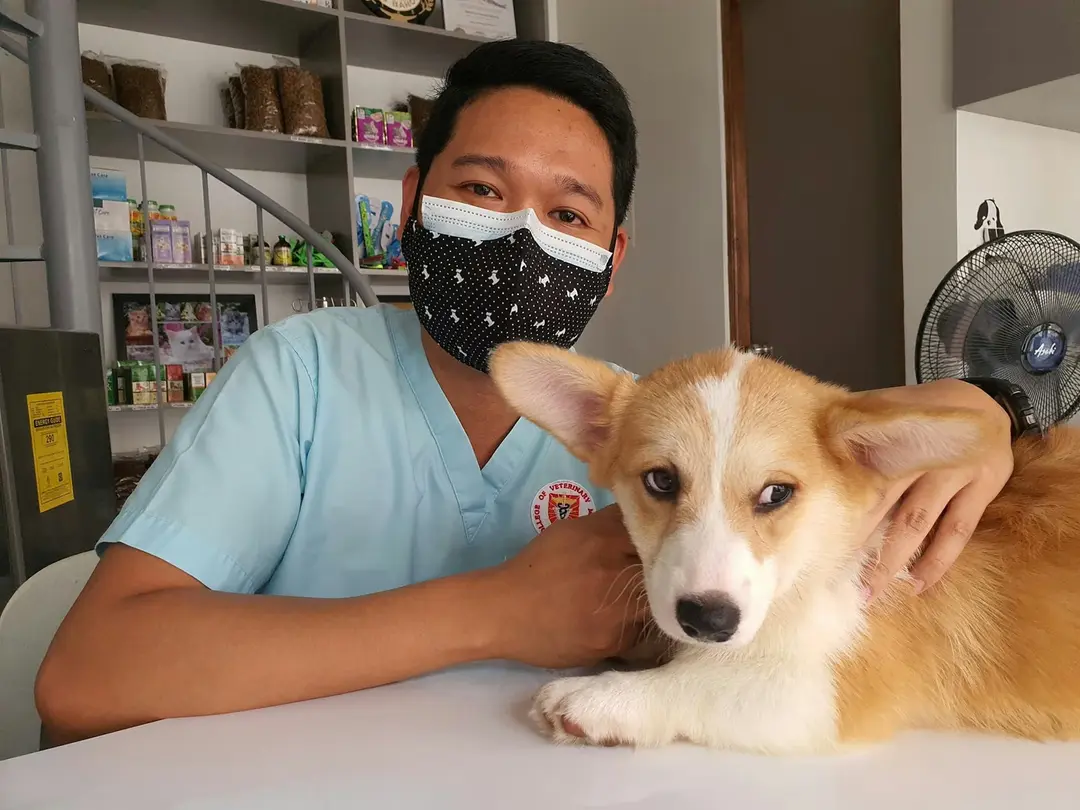
For veterinary clinics
Pet owners trust the clinic, not just the vet on duty. Wikidoc documents how your clinic preps surgery, handles drugs and runs the front desk, trains every nurse on it, and records the checks.
Theatre setup, anaesthetic monitoring and recovery documented once with video, so every nurse runs the same routine.
Crash cart, controlled-drug register and autoclave checks as required items, ticked by the person who did them, with the time on each.
A program covering theatre, hygiene, drug handling and client communication, finished before they run a procedure on their own.
Triage calls, estimates and discharge instructions documented once, so a pet owner hears the same advice whoever answers the phone.
Example
A two-vet clinic hires a new vet nurse. The head nurse assigns the induction program, and the new nurse completes the theatre, hygiene and drug handling modules in their first week. The morning checklist puts their name and a time on every crash cart and drug register check from day one. When the practice standards inspection comes around, the practice manager exports the training records and the checklist history.
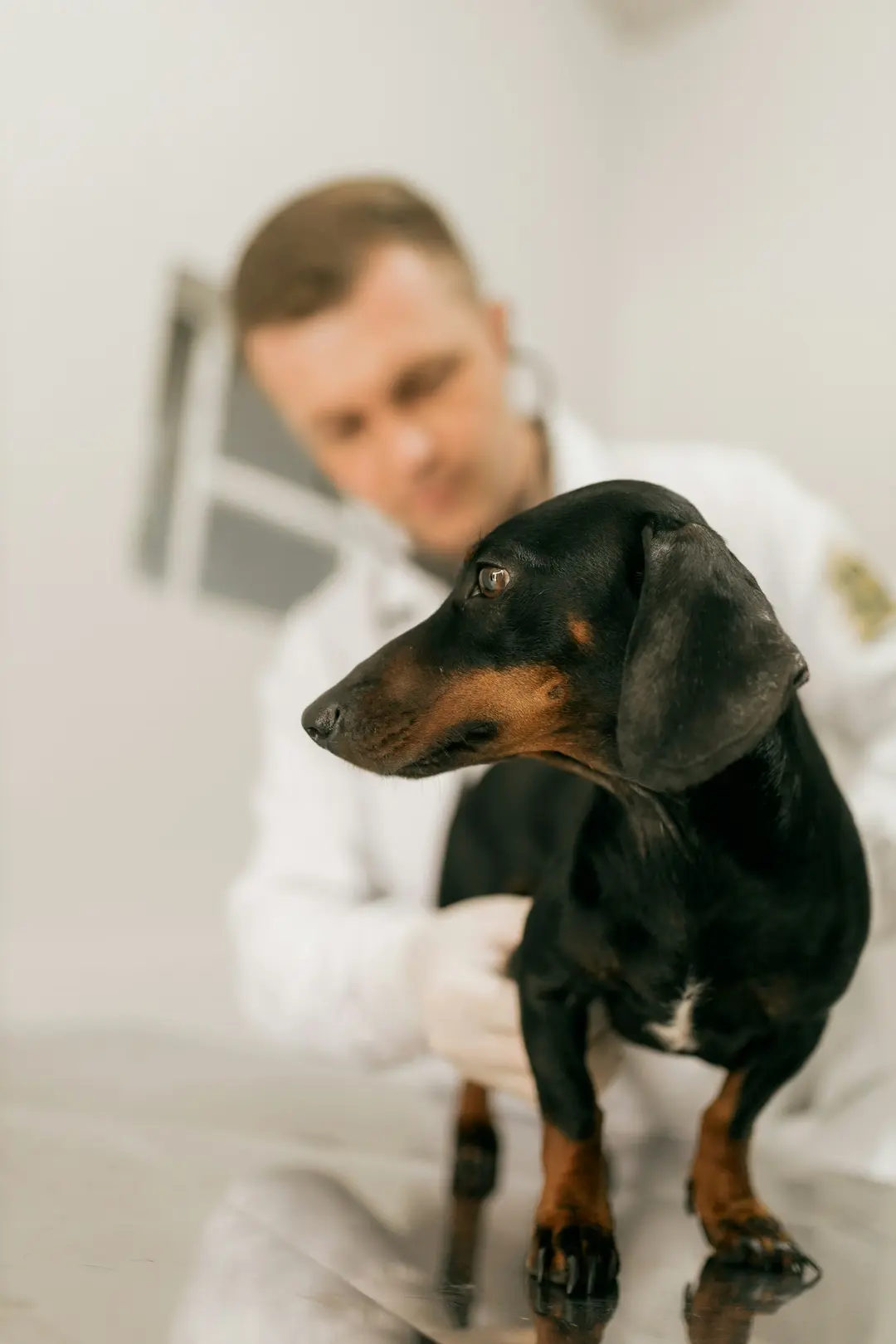
Every nurse follows the same current procedure, so surgery prep doesn’t depend on who is rostered.
Vet nurses and receptionists learn from SOPs and a program, not in the middle of a full consult list.
Drug register, crash cart and hygiene checks carry a name and a time, so the record is there for an inspection.
Anaesthetic machines and autoclaves have an owner and a service date, with a reminder before it lapses.

No. Keep the software that holds appointments, patient records and billing. Wikidoc covers the procedures your team follows, the training on them and the checks behind each day.
Keep the legal register in the format your regulator requires. Wikidoc runs the checks around it: a daily or weekly checklist to balance and sign the register, with each tick named and timestamped.
Schemes differ by country, so we won’t claim that. Wikidoc keeps your procedure, the training record and the signed-off check in one place, which is the evidence an inspector usually asks for.
Yes. Locums can complete it in a portal with their own email, without taking a seat. Anyone who runs checklists in your workspace joins as a member.


