Documentation encompasses all written guides, manuals, and references that help both internal teams and customers use a product effectively. In a SaaS company, this includes technical manuals (SDK guides, API references, release notes, etc) as well as user-facing help guides, and tutorials. High-quality documentation helps both customers and employees get started, learn how to use the product, and solve problems. In short, documentation is the “single source of truth” for how a product works and should be used - serving both staff and users with clear, organized information.
Despite its importance, many organizations under-invest in documentation. Product development and feature releases often get top priority, leaving docs outdated or incomplete. In fact, tech writers report that in many companies “docs are the last priority” and “rare is an organization that values docs”. The result is that knowledge gets trapped in people’s heads instead of being written down. Internal wikis and help sites often rot, and employees struggle to find answers without asking colleagues. This under-investment in documentation is an industry-wide concern, suggesting many SaaS teams could greatly improve efficiency by simply writing things down.

Poor documentation leads to wasted time, user frustration, and high support costs. According to the Stack Overflow Developer Survey, 62% of developers spend over 30 minutes each day hunting for solutions to poorly documented issues. Nearly half of them say inadequate documentation makes them dissatisfied at work and influences decisions to leave their jobs. On the customer side, missing or confusing help docs force users to contact support. In contrast, a well-documented knowledge base can dramatically reduce support ticket volume - for example, improving help content can cut call volume by 5% (Harvard Business Review). When documentation is scattered or outdated, support teams are swamped with basic questions and engineers are constantly interrupted. These problems - time lost in searching, frustrated users, and steep support costs - add up to a real tax on company growth.

In today’s self-service world, customers strongly prefer to find answers themselves. Around 67% of customers prefer self-service support over contacting a rep (Tidio Stats). Good documentation thus directly boosts user satisfaction and retention. It also helps revenue: a 5% increase in customer retention (fostered by excellent support and docs) can yield 25–95% more profit (Small Business Trend). Internally, clear documentation powers faster onboarding and employee retention - one HR study found 86% of new hires form an impression in their first few months (TheHRTeam), and companies that invest in employee development (including good onboarding docs) retain far more staff (deel). In practice, documentation cuts support costs, accelerates product adoption, and keeps both customers and employees happier.
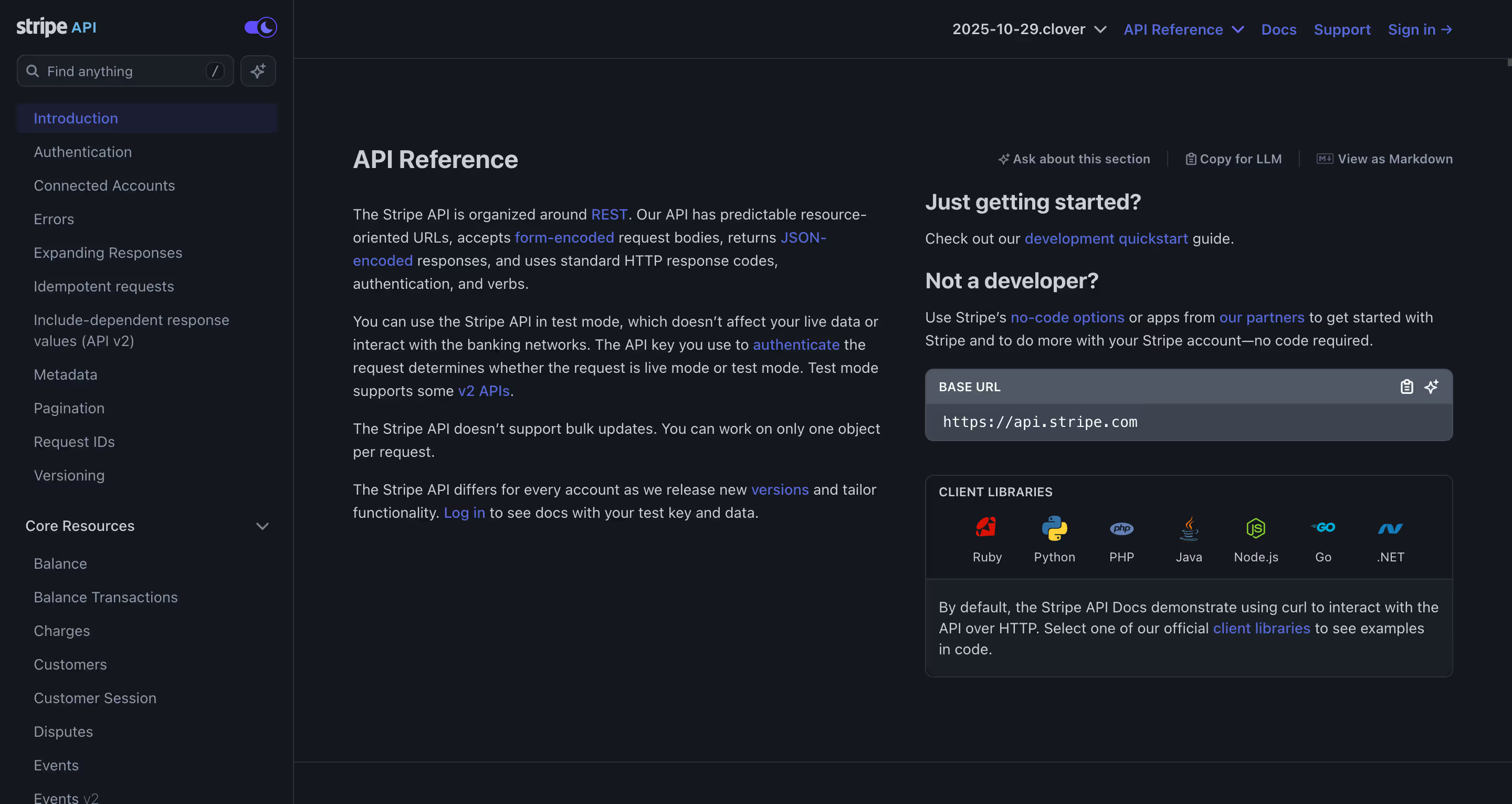
Many leading SaaS companies set the bar high. Stripe’s developer docs, for instance, use a famous three-column layout with live code samples and copyable snippets, making integration seamless. Developers often cite Stripe’s site as the benchmark for clarity.
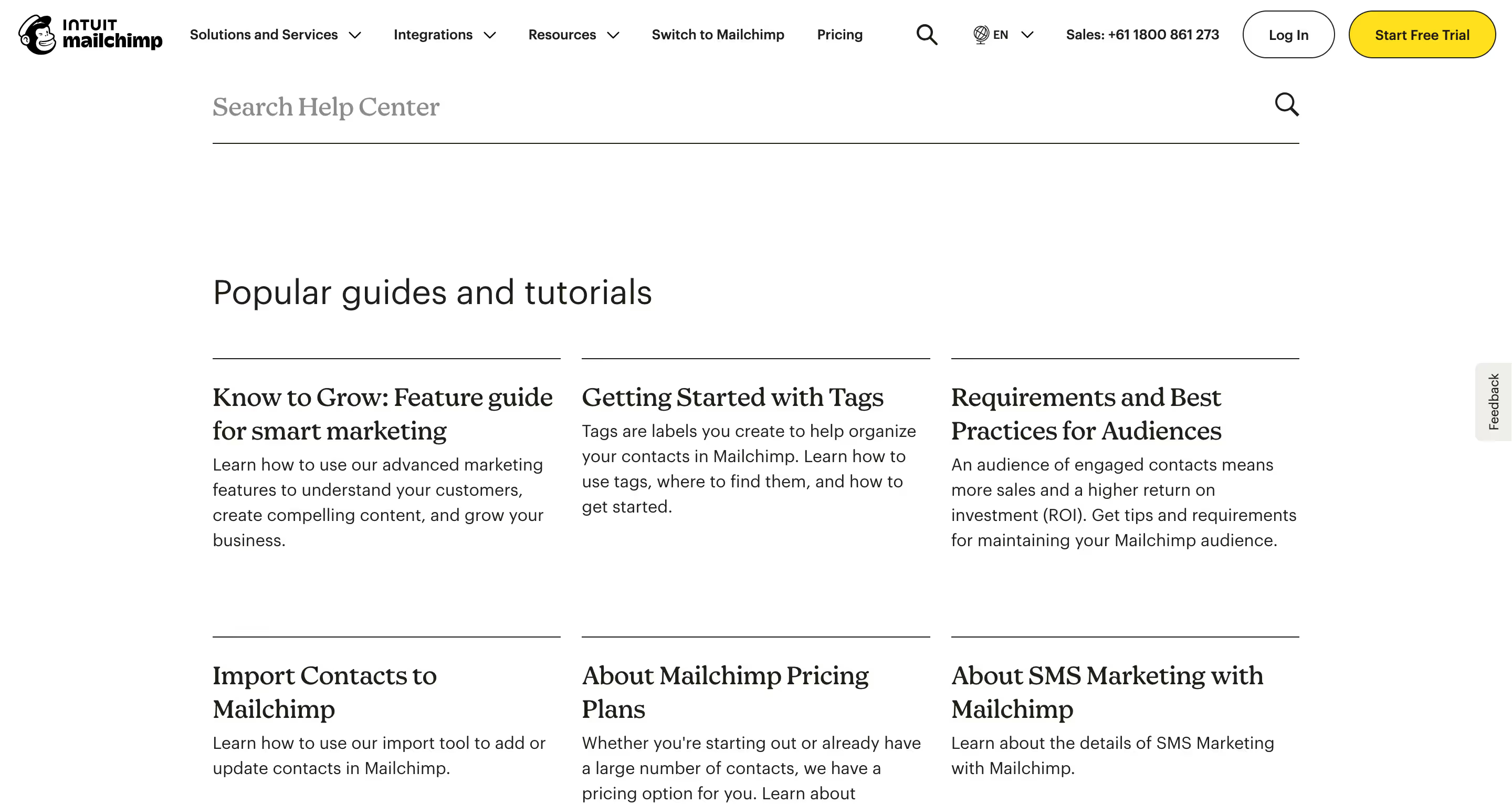
Mailchimp’s help center is also praised for its clean design and easy navigation - often referred to it as “visually stunning” and very helpful. Shopify and other major platforms likewise invest in thorough guides, API references, and tutorials to support their ecosystems. These examples show that investing in slick, comprehensive docs is a competitive differentiator - it educates users, reduces support load, and builds trust in the product.
In summary, effective documentation is a strategic asset for any SaaS company. It aligns teams internally, empowers users to self-serve, and drives better business outcomes through higher retention and lower costs. Executives should view documentation not as an afterthought, but as a critical product feature: a well-documented product is easier to sell, support, and improve. By making writing and maintaining docs a priority, SaaS leadership can unlock greater efficiency, loyalty, and growth for the organization.
Wikidoc is an AI-powered documentation platform that helps businesses easily capture, share, and preserve organisational knowledge.